

Florence City Break: The Details You Notice When You Slow Down
It’s not a city that tries to impress all at once. Instead, it unfolds gradually — in the colour of the buildings as the light shifts, in the quieter streets just behind the crowds, and in the way your plans start to loosen without you really noticing.
This guide isn’t about fitting everything in. It’s about understanding how a Florence city break from the UK actually feels — where to stay, what to see, and how to experience it in a way that doesn’t rush past the details that make it memorable.
You arrive expecting landmarks. You leave remembering everything around them. It’s one of those city breaks that works whether you plan it carefully or not at all — which is part of the appeal.
💡 Fun Fact: Florence’s entire historic centre is protected as a UNESCO World Heritage Site — not just for individual landmarks, but because the whole city is considered a complete work of art.
🏛️ Sights & Streets That Don’t Compete for Attention
On a Florence city break, the main sights don’t dominate your time in the way you expect — but they do shape it in quieter ways.
The Florence Cathedral is impossible to ignore — detailed, vast, and always surrounded by movement — but it’s what you do with it that changes the experience. Climbing Brunelleschi’s Dome turns it from something you look at into something you feel, especially when you reach the top and see the city spread out beneath you.
A few streets away, the pace shifts again. You step out of the crowds without really trying, and Florence starts to feel more personal. The same contrast carries through the rest of the city.
Seeing Michelangelo’s David in person is one of those moments that’s hard to replicate — far more detailed, far more present than you expect — but it’s balanced by everything around it. The walk there, the quieter streets afterwards, the pause that naturally follows.
And then there are the experiences that sit somewhere in between. You might join a small walking tour and start to notice details you would have otherwise missed — or take the same route at your own pace with a self-guided audio tour in Florence, letting the city unfold without needing to follow a group.
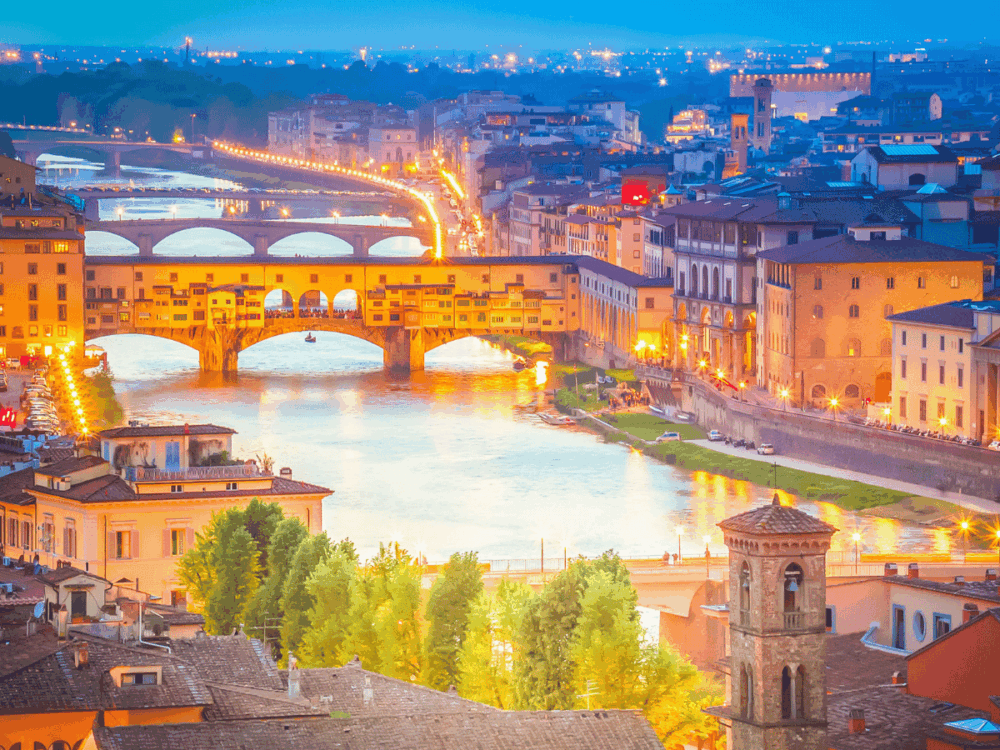
The Ponte Vecchio still fits into that naturally — something you cross because you’re there, not because it was scheduled. Later, you might find yourself on the river with an Aperitivo as the light starts to drop, seeing the city from a completely different angle.
Florence works best when you let the bigger moments sit alongside everything else, rather than building the whole trip around them. If you want to shape a few of those moments without overplanning it, it’s worth seeing what’s available ahead of time. Take a look at things to do in Florence
If you want to get a sense of how everything fits together, it helps to see it laid out — especially how close most of the main sights actually are. Take a look at the Florence map.
Top Tip: Step away from the busiest streets around midday. Even a short detour — or booking something timed — changes the pace completely and gives the city space to breathe again.

🍷 Food, Evenings & The Pace of the City
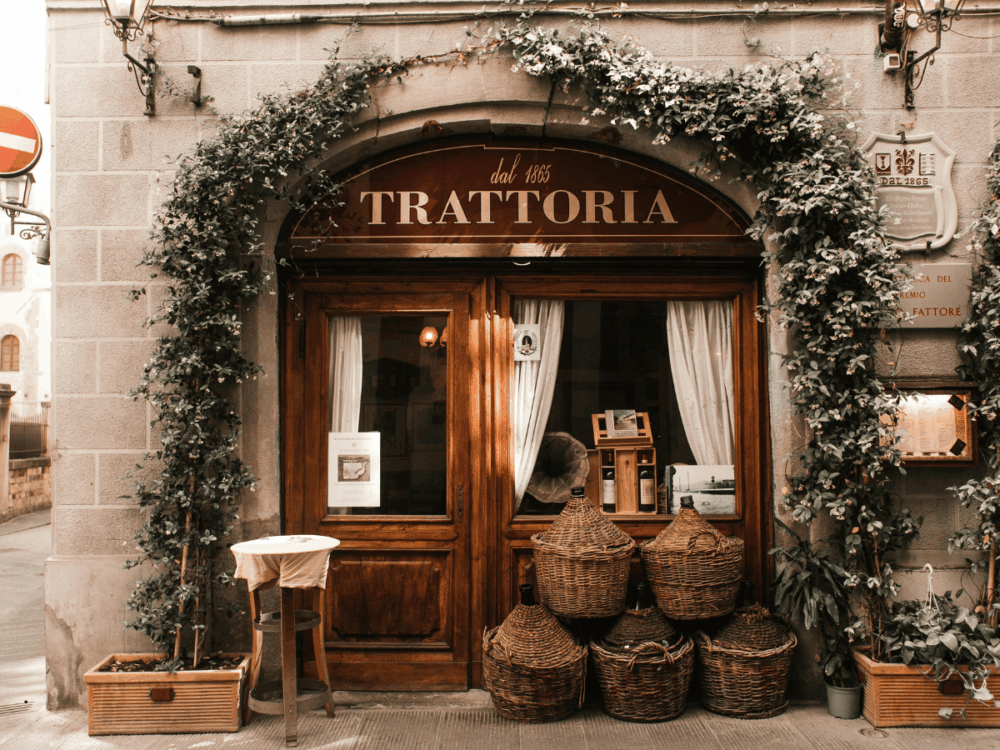
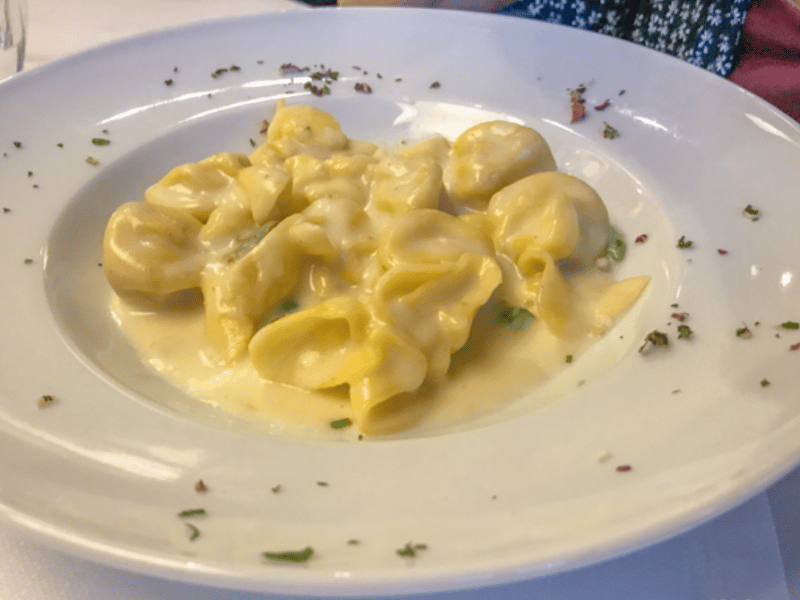
Evenings on a Florence city break don’t really follow a plan — they unfold. You sit down for something small and stay longer than expected. One glass turns into another. Streets that felt busy earlier soften into something quieter, with more focus on atmosphere than movement. Food becomes part of that rhythm rather than something separate from it. You might start with something simple — fresh pasta, a glass of wine — and end up staying for hours without noticing.
Some places just seem to appear naturally as you move through the city. You might find yourself near somewhere like 4 Leoni without planning it, or sitting outside in Piazza Santo Spirito at Tamerò as the evening settles in. Other times it’s somewhere slightly tucked away, like La Buchetta, where traditional dishes like cinghiale end up being the reason you go back. A lot of it makes more sense once you see where everything sits — especially around areas like Santo Spirito and the river. View the Florence map.
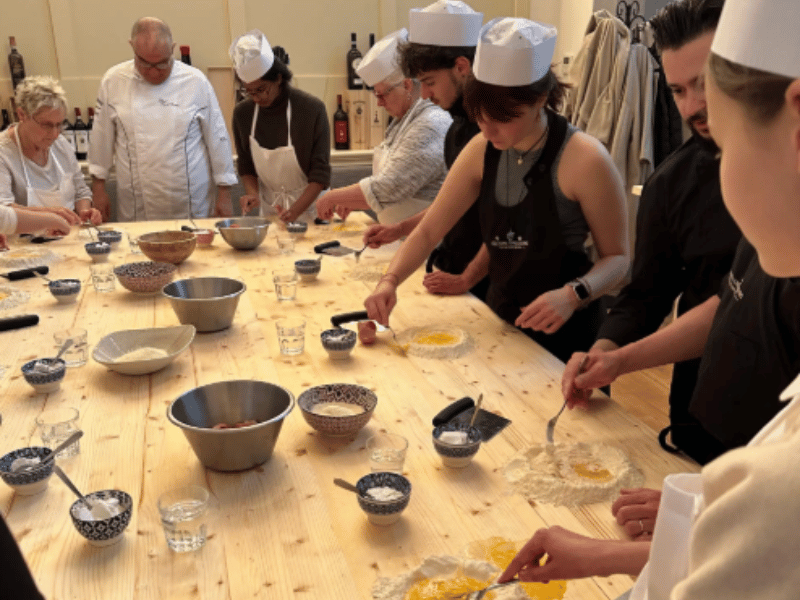
Some experiences naturally slip into that. A tiramisu cooking class that feels more like an evening spent somewhere local than something structured. A pasta or pizza experience where the food is only part of it, and the rest comes from the setting, the pace, and the people around you. Even a market visit that turns into a long lunch gives you a completely different view of the city — slower, more grounded, and far more memorable. And then there’s gelato — not just something you grab as you walk, but something you can actually learn to make, understanding what separates the real thing from everything else you’ve tried before.
Florence has a strong classical music and opera scene, and it’s not just background ambience — these are full performances in historic venues. You’ll find concerts featuring composers like Antonio Vivaldi, Johann Sebastian Bach, Wolfgang Amadeus Mozart and Johann Pachelbel, often played by chamber ensembles in settings that feel just as important as the music itself. Opera performances are just as immersive. Evenings of Italian arias and traditional Neapolitan songs, performed by tenors, musicians, and dancers in venues like Cattedrale dell’Immagine, give you a completely different side of the city once the day winds down.
In between all of that, it’s the smaller things that stay with you most. A quick espresso at the bar. A glass of local Tuscan wine as the light fades. Something simple from a bakery you didn’t plan to stop at.
Top Tip: Avoid the restaurants right next to the busiest landmarks. Even a short walk away usually means better food, lower prices, a calmer atmosphere, and a much more local feel.
🍝 What You’ll End Up Trying Without Planning To
- Cinghiale is one of them — slow-cooked wild boar, usually served with rich, deep sauces that feel very rooted in the region. It’s the kind of dish you try once, then start noticing everywhere.
- Fresh pasta follows the same pattern. Pappardelle shows up often — wide ribbons paired with simple but full flavours like ragu or truffle. It’s not complicated, just done properly.
- And then there’s the wine. You don’t really plan it, it just becomes part of the evening. A glass of local Tuscan red that turns into another, usually without much thought, sitting outside as the pace of the city slows around you.
- Tiramisu tends to follow naturally at the end. Lighter, less sweet, and far more balanced than most people expect — more of a finish to the meal than something overly indulgent.
✈️ Getting There & Moving Around
A Florence city break from the UK is one of those trips that’s easy to put together without much effort — short flight, compact city, and everything fairly straightforward once you arrive.
Flights usually take just over two hours from the UK. You’ll either land in Florence itself or nearby Pisa, and which one you choose tends to come down to price and timing. Pisa is often cheaper, but Florence is easier — you’re closer, and it’s one less step after landing.
Getting into the city is simple, but how you arrive does shape the start of your trip. Landing somewhere new, figuring out routes, waiting around — it all adds up. Pre-book your airport transfer in Florence so you can step straight into the city.
If your flight leaves you with time to fill — early arrival or late departure — those hours usually end up being some of the best, as long as you’re not carrying everything with you. Use luggage storage in Florence to keep that time open and easy.
Once you’re in the centre, you’ll realise pretty quickly that you don’t need to think about transport much at all. Florence is small enough that most places are just a walk away, and that’s how the city works best. There are hop-on hop-off buses if you want a wider view or an easier way to get around the edges, but most of the time they feel unnecessary once you’re in it.
If you’re planning to head out into Tuscany, that’s when things change. The city itself doesn’t need a car, but the countryside around it does. Compare car hire in Italy if you want that extra freedom beyond Florence.
💡 Fun Fact: Much of Florence’s centre is restricted to traffic (ZTL zones), which is why it feels quieter and more walkable than many other cities — and why most visitors never need a car at all.
🗓️ A Simple Way to Structure a Florence City Break
A Florence city break doesn’t really need a strict itinerary, but most trips naturally fall into a similar rhythm.
Day 1 tends to be about arriving and settling in. A short walk, something simple to eat, and letting the city open up around you without trying to do too much.
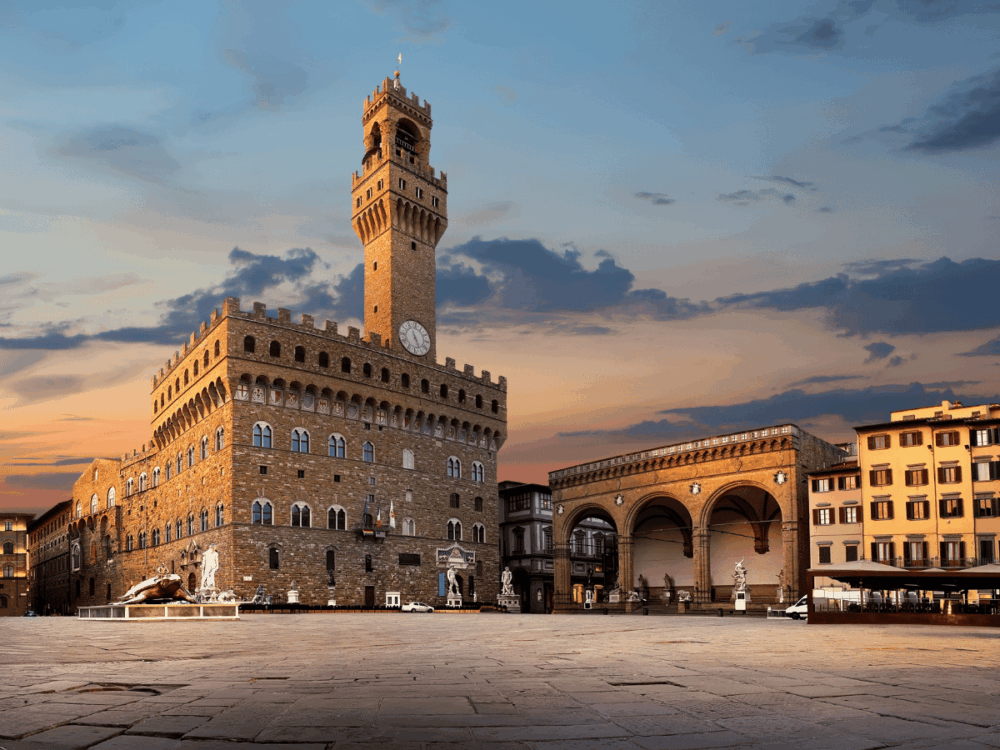
Day 2 is usually when you take in the main sights — the Duomo, Michelangelo’s David, and the streets around them. It’s worth starting earlier here, then letting the rest of the day slow down naturally.
Day 3 often shifts pace again. Less about landmarks, more about experiences — a walking tour, a cooking class, or just wandering further out into areas you haven’t reached yet.
If you have more time, it usually becomes about repeating things — going back to places you liked, or heading slightly beyond the centre into Tuscany. It’s not about fitting everything in. It’s about giving the city enough space to feel like more than just the places you’ve seen.
🏨 Where to Stay in Florence
Where you stay shapes your Florence city break more than you expect. In the centre, everything is immediate. You step outside and you’re already part of it — cafés opening, people moving, the city already in motion. It’s easy, especially for a short trip. But just across the river or slightly further out, mornings feel different. Slower, quieter, with more space to ease into the day. Even heading back into the centre feels more intentional. That contrast is part of what makes Florence work so well — you can shift the pace without needing to go far. If you’re deciding where to base yourself, it helps to see how close everything is — and how different areas connect. Explore the Florence map.
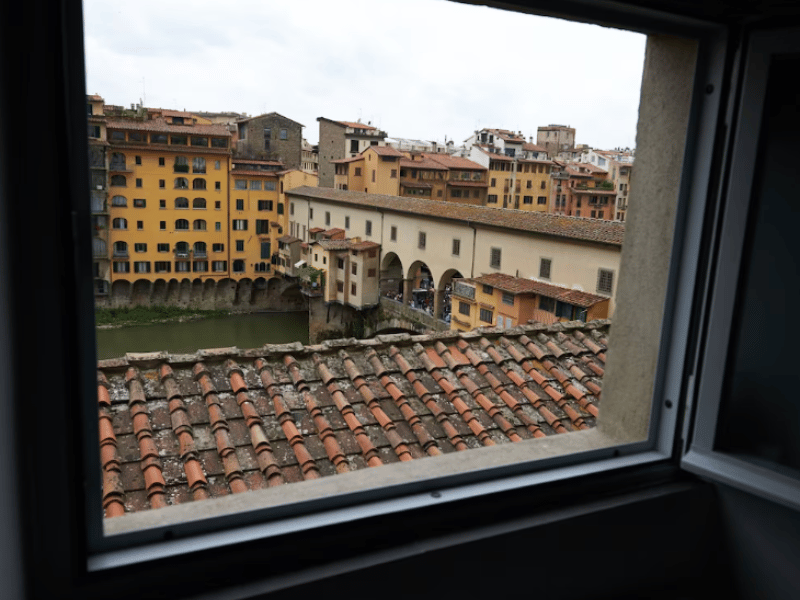
Some places sit right in that balance. Staying near the Ponte Vecchio, for example, keeps everything within walking distance without feeling too exposed to the busiest streets. Places like Ponte Vecchio Suites & Spa are tucked just enough away to feel calm, but still close enough that you can step straight back into the city whenever you want — with the added bonus of spa spaces and suites with private hot tubs.
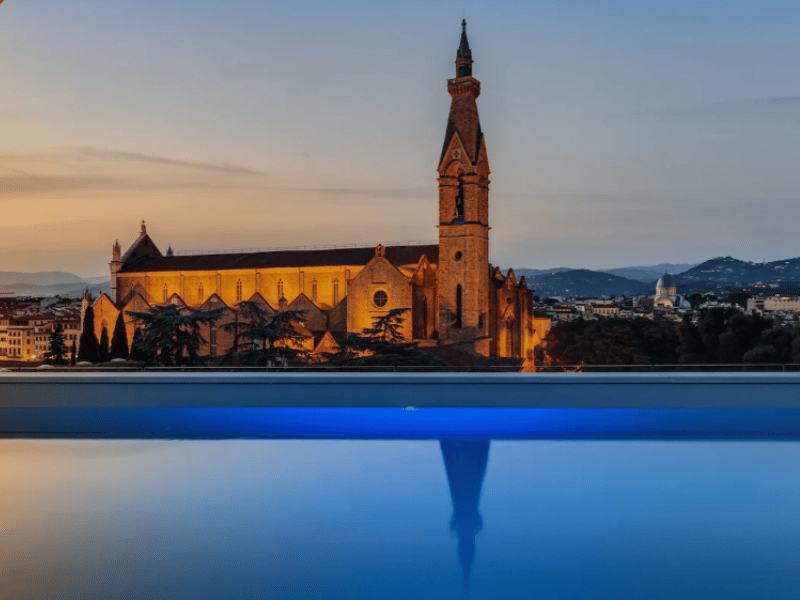
Closer to the river, somewhere like Plaza Hotel Lucchesi gives you a slightly different perspective again. Right on the Arno, with a rooftop pool looking back over the city, it feels more open — especially in the evenings when everything starts to settle.


Florence isn’t a city you try to complete. It’s one you move through, slowly, noticing more the longer you stay. And usually, it’s the things you didn’t plan that stay with you the most. If you’re starting to plan your trip, it’s worth locking in flights, stays, and experiences early — especially during peak seasons when availability tightens quickly.
❓ FAQs About a Florence City Break
Map
Love it? Share it 💖
Follow Air-Holiday or send us a message
Air-Holiday may earn a commission when you click affiliate links or make a purchase, at no extra cost to you. We only recommend travel services and products we believe are useful.
© 2026 Air-Holiday. All rights reserved.