
Jump to: Celebrations · Planning · Accommodation · Food & drink · Beyond the celebrations · FAQs
Day of the Dead in Oaxaca: Celebrations, Food and a Holiday to Remember
Brass bands fill the streets. Marigolds brighten doorways. Candles glow around family photographs, while the smell of warm chocolate drifts from market stalls.
Day of the Dead in Oaxaca is a celebration you can experience through its music, food, creativity and deeply personal traditions. Spend an afternoon admiring intricate altars, an evening watching a neighbourhood procession and the next day sampling an Oaxacan speciality.
Beyond the celebrations, there are ancient ruins, colourful craft workshops and a historic centre that rewards a slower wander.
For more autumn travel inspiration, explore our Halloween Holidays Guide. Oaxaca makes a wonderful seasonal escape, while Día de Muertos has its own distinct history and meaning.
What is Day of the Dead in Oaxaca?
Day of the Dead in Oaxaca celebrates memory, family and the belief that deceased loved ones return briefly to be welcomed home.
Families prepare favourite meals, decorate graves and build ofrendas — altars filled with photographs, flowers, candles and personal offerings. Music and laughter sit alongside quiet reflection, creating a celebration that is both joyful and deeply moving.
A tradition shaped over centuries
Día de Muertos brings together Indigenous traditions honouring the dead and Catholic observances introduced during Spanish colonisation: All Saints’ Day on 1 November and All Souls’ Day on 2 November.
Over generations, these influences developed into distinct local customs. Celebrations vary between communities and families, rather than following one fixed format.
UNESCO added Mexico’s Indigenous festivity dedicated to the dead to its Intangible Cultural Heritage list in 2008, following its original recognition in 2003.
Look closer at the offerings
An altar’s details tell a personal story. A favourite drink, a plate of food or a photograph recalls the person being remembered.
In Oaxaca, offerings may also include copal incense, chocolate, seasonal bread and colourful paper decorations.
Why choose Oaxaca?
Oaxaca offers several ways to experience the tradition within one holiday: lively street processions, seasonal markets, public altars and remembrance gatherings in nearby communities.
Its cultural diversity gives those celebrations their character. Customs vary across the state, while family recipes, local crafts and community traditions bring meaning to the preparations.
You can combine the celebrations with food, history and creative experiences, giving your holiday depth beyond the busiest evenings.
Air-Holiday Insight
Take time to understand what you are seeing. A knowledgeable local guide can explain the offerings and community customs, making the experience far richer than the photographs alone.
Day of the Dead celebrations to experience
🕯️ Ofrendas and public altars
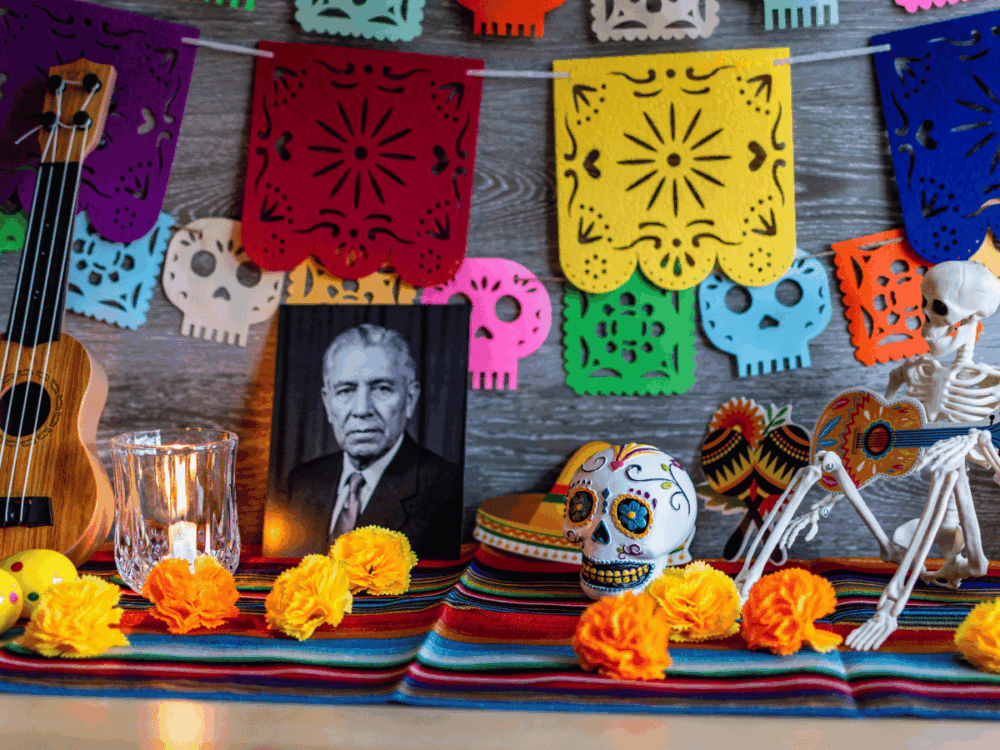
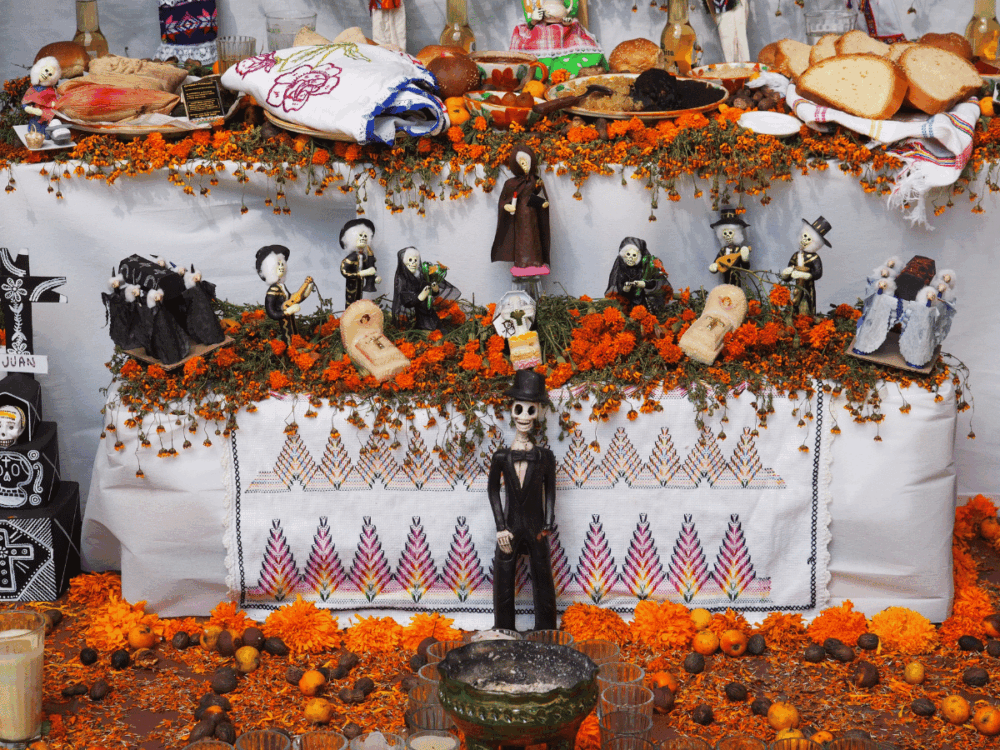
Ofrendas are offerings arranged to honour the dead.
Photographs, candles, flowers, cut-paper decorations and favourite foods can all form part of an altar.
Look for the personal touches: a favourite meal, a treasured photograph or an object connected with someone’s life.
Explore public displays in daylight as well as after dark and notice the different atmosphere they have.
Household altars are personal. Only enter or photograph a private space with permission.
Fun Fact: Oaxaca’s festival “carpets”, called tapetes, can be made from sand, lime and flowers — intricate artworks created directly on the ground.
🎺 Comparsas and neighbourhood processions
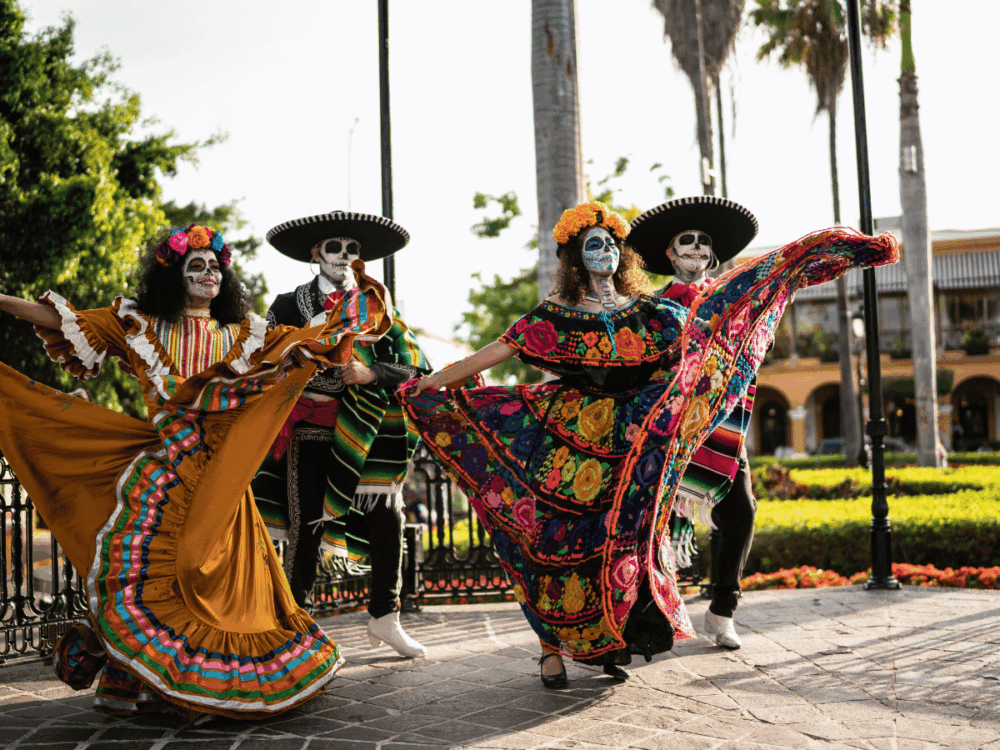
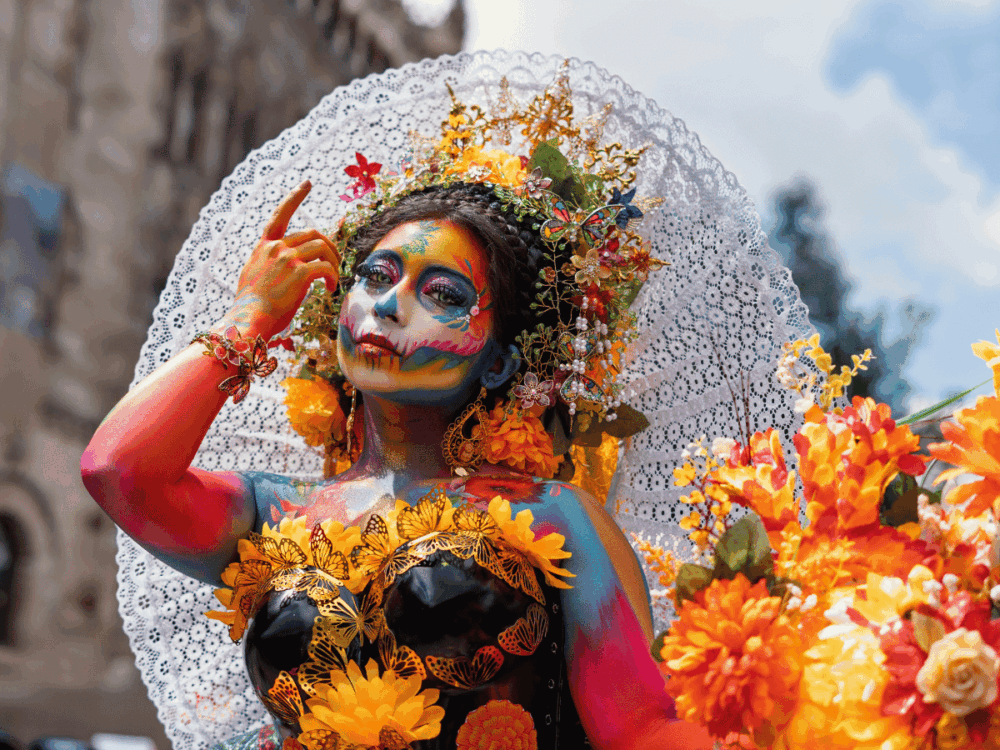
Comparsas bring costumes, music, dance and theatre into the streets.
Communities in Oaxaca’s Etla Valley also have a strong tradition of comparsas and muerteadas, making the wider area worth investigating.
Check the current meeting point and route, eat beforehand and arrive with time to settle in.
Expect crowds, loud music and plenty to catch your attention.
Fun Fact: La Catrina’s elegant skeleton look evolved from a José Guadalupe Posada print, later reimagined by Diego Rivera in his 1947 mural.
Air-Holiday Insight
Ask your accommodation about nearby neighbourhood celebrations. A smaller procession may fit your evening better than crossing the city for the biggest event.
🌼 A respectful cemetery visit
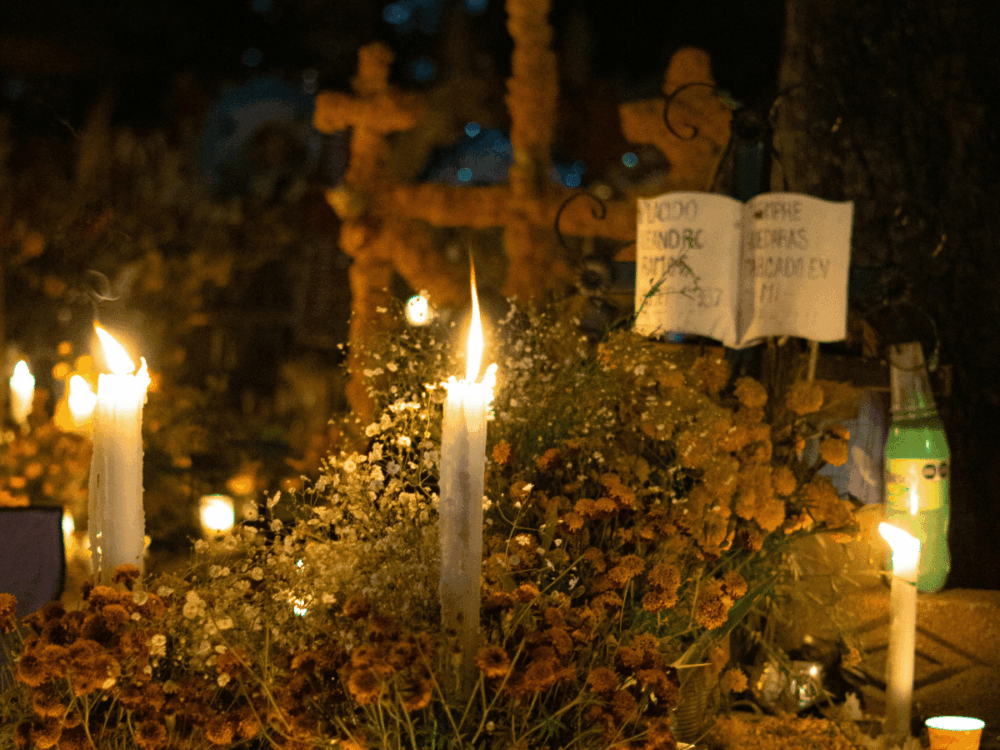
Oaxaca’s Panteón General and nearby Santa Cruz Xoxocotlán are associated with Day of the Dead remembrance.
Candles, flowers, music and family gatherings create an atmosphere that can surprise overseas visitors. These are places where families spend time remembering people they love.
Choose a visit based on current local advice and the community’s own observances.
During your visit:
- Ask before photographing people.
- Avoid flash photography.
- Keep paths clear.
- Leave offerings undisturbed.
- Never stand on graves.
🌺 Seasonal markets and marigolds
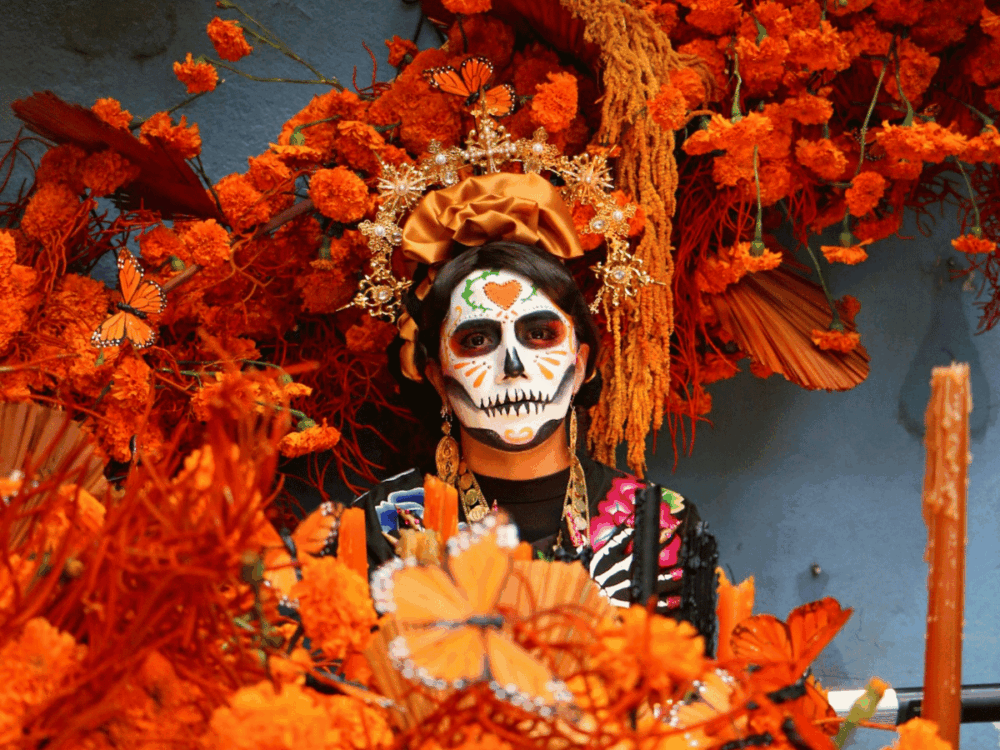
Markets reveal how much preparation happens before the celebrations. Flowers, candles, bread and ingredients for family meals connect the public festivities with life at home.
Fun Fact: In Villa de Zaachila, seasonal bread is decorated with colourful flowers and shapes made from flour-and-starch paste — edible artistry for Day of the Dead altars.
If you encounter one, ask who made it and how it was decorated.
Planning your Day of the Dead holiday in Oaxaca
When to go and how long to stay
The central dates are 1 and 2 November, with preparations and celebrations taking place in late October too.
For a first visit, we suggest five to seven nights. A stay around 28 October to 3 November provides a useful window for the build-up, main dates and some sightseeing.
What happens during the celebrations?
- Late October: Market preparations, seasonal food, public altars and scheduled street festivities.
- 31 October: Locally confirmed celebrations and cemetery visits where visitors are welcomed.
- 1–2 November: Remembrance traditions and events from the current local programme.
- Extra days: Ancient ruins, craft workshops, cooking classes and time to explore.
These are suggested holiday dates, rather than a confirmed event schedule. Check Oaxaca’s official tourism website and local municipality announcements before choosing particular celebrations.
Air-Holiday Insight
Place longer day trips before your first late celebration or after the main festivities. An early departure is much less appealing after a night spent watching processions.
How to get to Oaxaca from the UK
✈️ Fly to Oaxaca City
Search for Oaxaca International Airport, also known as Xoxocotlán Airport — OAX. Compare connecting flights from the UK, including routes through Mexico City.
For a Mexico City connection, we suggest 3–4 hours as a planning buffer, rather than an official minimum. Allow time for immigration, any required baggage collection and recheck, security and reaching your next gate. Confirm these arrangements with your airline; separate tickets may need a longer connection.
If your flights use different terminals, check the airport’s AirTrain access requirements and operating hours before travelling.
Connections through the USA may also appear in searches. British travellers generally need an approved ESTA, if eligible, or an appropriate visa even when transiting. Connecting through Mexico City can simplify this part of your planning.
🚕 Oaxaca Airport transfers
Arrange an authorised airport taxi or prebooked transfer to your accommodation, confirming the total price, meeting point and luggage allowance before you travel. Check whether you’re booking a private vehicle or a shared service, which may stop at other properties along the way.
During Day of the Dead celebrations, street closures can affect your drop-off. Give your driver the full hotel address and ask whether you’ll need to walk the final stretch with your luggage.
Money, packing and practical essentials
Carry small amounts of Mexican pesos for market purchases, tips and smaller transactions, alongside your Monzo card. Check your card’s overseas charges before travelling.
Keep maps, tour details and messages close to hand while exploring Oaxaca with DrimSim.
Pack comfortable shoes, a light evening layer, sun protection and a compact raincoat. Save your hotel address and booking confirmations offline.
Read the latest FCDO Mexico travel advice, including entry requirements and advice for every area on your itinerary.
Compare cover through Compare Your Travel Insurance, checking suitability for your destination and activities.
Where to stay for Day of the Dead in Oaxaca
Parador San Miguel — stay central
With colonial character and a plant-filled courtyard, Hotel Boutique Parador San Miguel is an appealing base for Day of the Dead in Oaxaca.
Within a five-minute walk of the Zócalo, it puts you close to central sightseeing and restaurants. A restaurant, bar and rooftop terrace provide places to unwind between outings.
Quinta Real Oaxaca — historic charm
Set within the restored former Convent of Santa Catalina de Siena, Quinta Real Oaxaca brings historic character to your holiday.
Its central location makes it easy to combine sightseeing with evening celebrations.
Parador de Alcalá — boutique stay
A restored eighteenth-century mansion between Santo Domingo and the Zócalo, Parador de Alcalá offers a historic setting for your Oaxaca stay.
Its location makes it convenient for exploring the centre on foot and returning for a break before the evening celebrations.
Self-catering — space and flexibility
An apartment or holiday home gives you room for leisurely breakfasts, market purchases and a quiet meal between celebrations.
Choose a location that suits your evening plans. Check whether the property has a kitchenette for simple meals or a full kitchen for cooking.
Air-Holiday Insight
Choose your room carefully. Festival evenings can be lively. Ask whether your room faces the street, overlooks a courtyard or sits near a restaurant or bar. Read recent reviews specifically for noise.
Where and what to eat in Oaxaca
Food deserves a place in your plans. Mix market meals with a restaurant you especially want to try, leaving room for chocolate stops and unfamiliar dishes.
🍽️ Mercado 20 de Noviembre
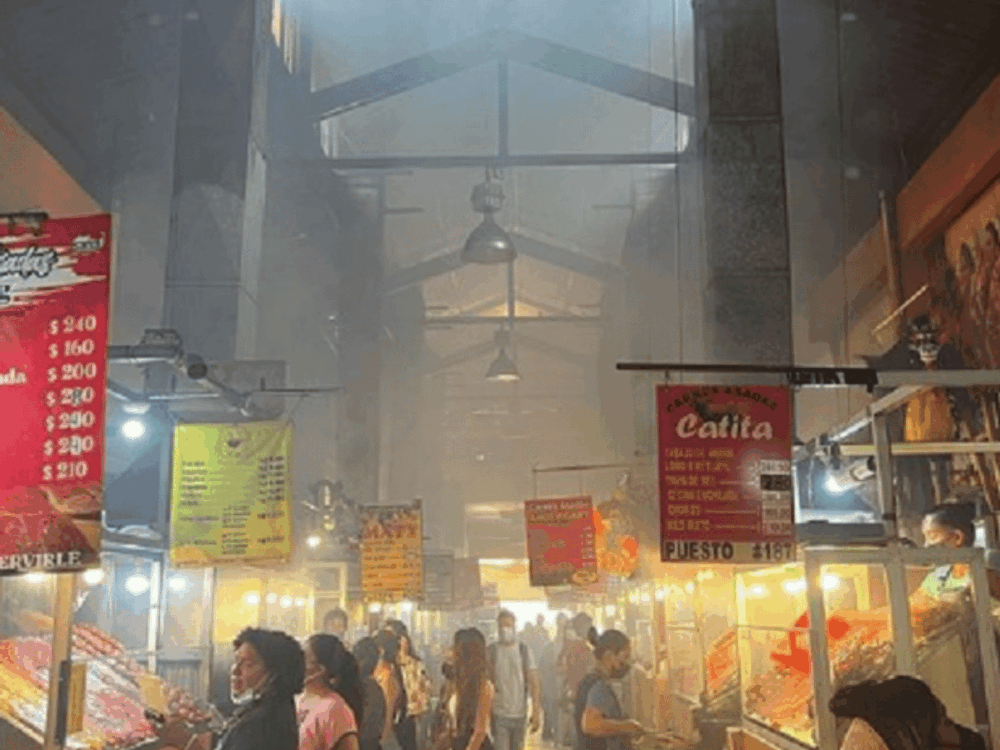
Turn lunch into part of your sightseeing at Mercado 20 de Noviembre.
Its pasillo del humo, or smoke corridor, is associated with grilled meats such as tasajo, cecina and chorizo, served with tortillas and accompaniments.
Confirm what is included and the total price before ordering, particularly when buying different parts of the meal from different vendors.
Local flavours to try
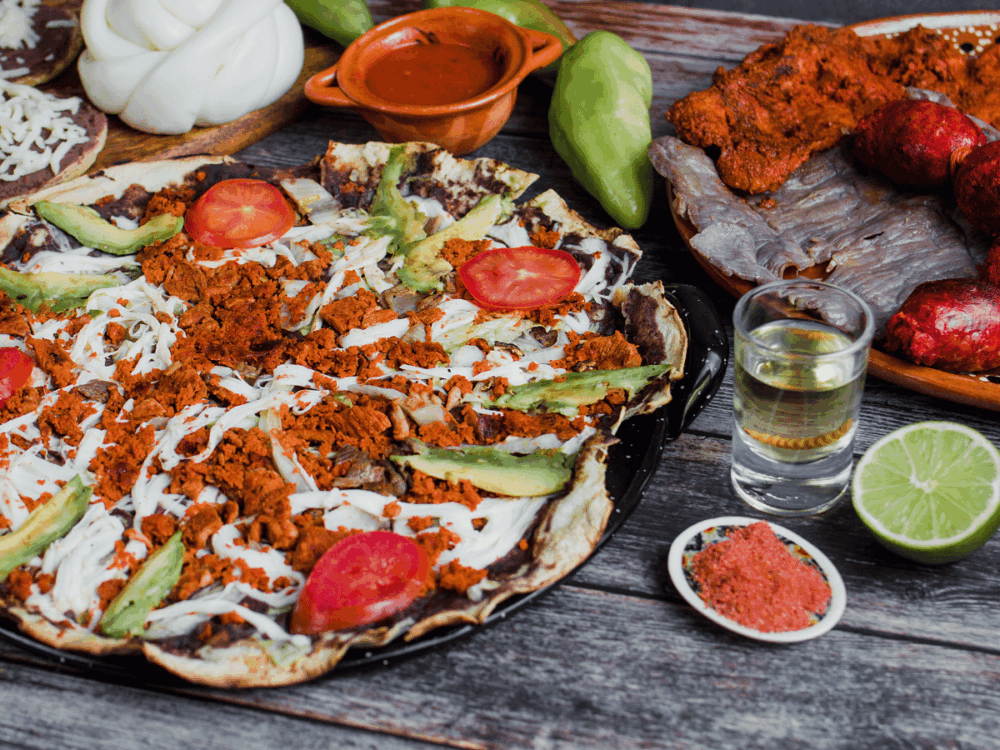
Tlayudas are large corn tortillas with toppings that can include beans, quesillo, salsa and meat. Memelas are smaller, thicker corn bases served with toppings, useful when you want to sample something without ordering a large meal.
Explore different moles, including mole negro, coloradito and amarillo. Recipes vary, so ask about nuts, sesame, stocks and other ingredients if you have dietary requirements.
Look for tejate too: a traditional drink made with maize, cacao and other ingredients. Oaxaca’s tourism authority highlights it among the region’s market specialities.
Fun Fact: Oaxaca’s stringy cheese is known locally as quesillo. It is stretched into long ribbons, then wound into a ball.
Las Quince Letras
At Las Quince Letras, chef Celia Florián’s cooking draws on family knowledge and Oaxacan traditions.
Michelin highlights the mole negro and garnachas istmeñas, making it a restaurant to consider for a meal with a strong regional focus.
Book ahead if it is high on your list, and leave time to enjoy the meal before an evening tour.
Tacos del Carmen
Start your morning on Jesús Carranza with freshly cooked memelas, chorizo tacos or an empanada filled with chicken and mole amarillo. This longstanding street stall is recommended by The Infatuation, which highlights watching the food being prepared on its charcoal-fired comals.
El Lechoncito de Oro
For something satisfying between celebrations, seek out this street-food spot on Calle de los Libres. Its speciality is slow-cooked suckling pig, served in tacos, tostadas or tortas — bread rolls that you can order with crunchy chicharrón. The Infatuation recommends it for late-night eating.
Tlayudas Doña Flavia
In the Reforma neighbourhood, Doña Flavia serves generously filled tlayudas in a colourful, mural-decorated setting. Try the classic tasajo beef version, or choose chapulines — grasshoppers — if you fancy something more adventurous. Pair it with a glass of horchata.
Levadura de Olla
Chef Thalía Barrios García’s Levadura de Olla centres traditional Oaxacan cooking and memories of her home community.
Consider it when you want a restaurant meal to be an experience in its own right. Check the current menu and reservation arrangements before going.
Memelas Doña Vale
Inside Central de Abastos, Doña Vale is known for memelas topped with her celebrated morita chilli sauce. Choose toppings such as eggs or tasajo and make breakfast part of your market exploration. Her appearance on Netflix’s Street Food means this is a well-known stall, so expect a possible queue.
☕ Chocolate, bread and a slower morning
Warm chocolate with pan de yema makes a tempting pause between outings. Chocolate may be prepared with water or milk, so try different styles if both appeal.
After a late celebration, make this your gentle start to the day rather than rushing straight onto another tour.
Fun Fact: Some seasonal breads have little faces. In Ocotlán de Morelos, cream-based pan de carita is placed on Day of the Dead altars.
Things to do in Oaxaca beyond the celebrations
🏛️ Explore Monte Albán
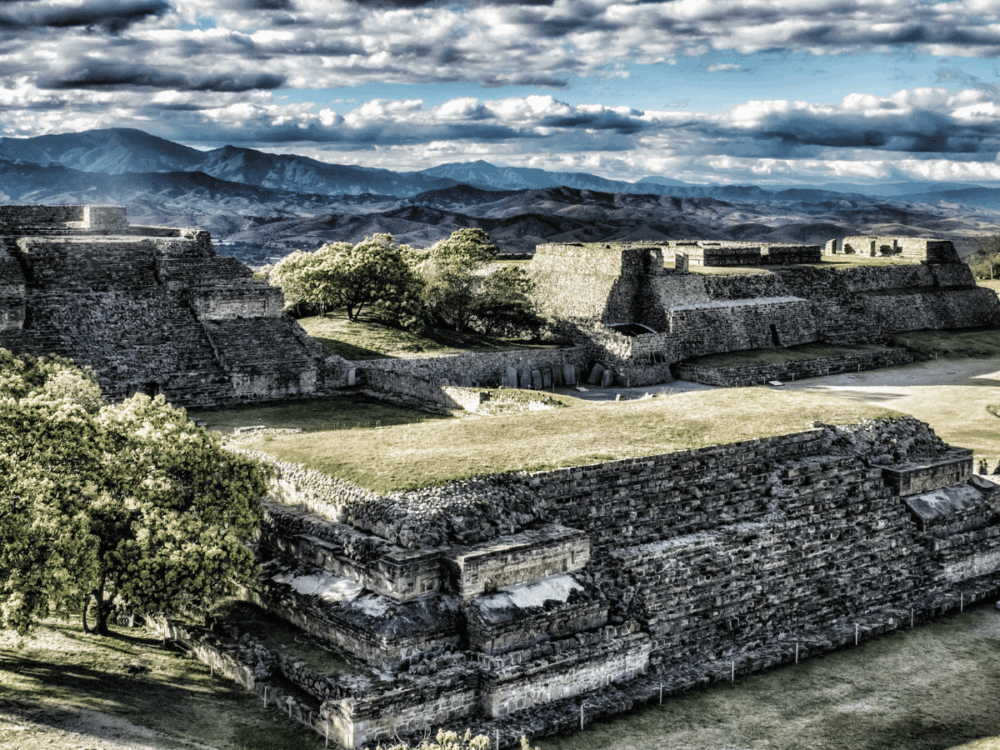
Walk through ancient ceremonial spaces and admire sweeping valley views at Monte Albán. A guided archaeological tour helps bring this remarkable mountain-top city’s history to life.
Fun Fact: Monte Albán’s terraces, pyramids and ceremonial spaces were carved into the mountain itself — the landscape forms part of the ancient city.
🧶 Discover Teotitlán’s crafts
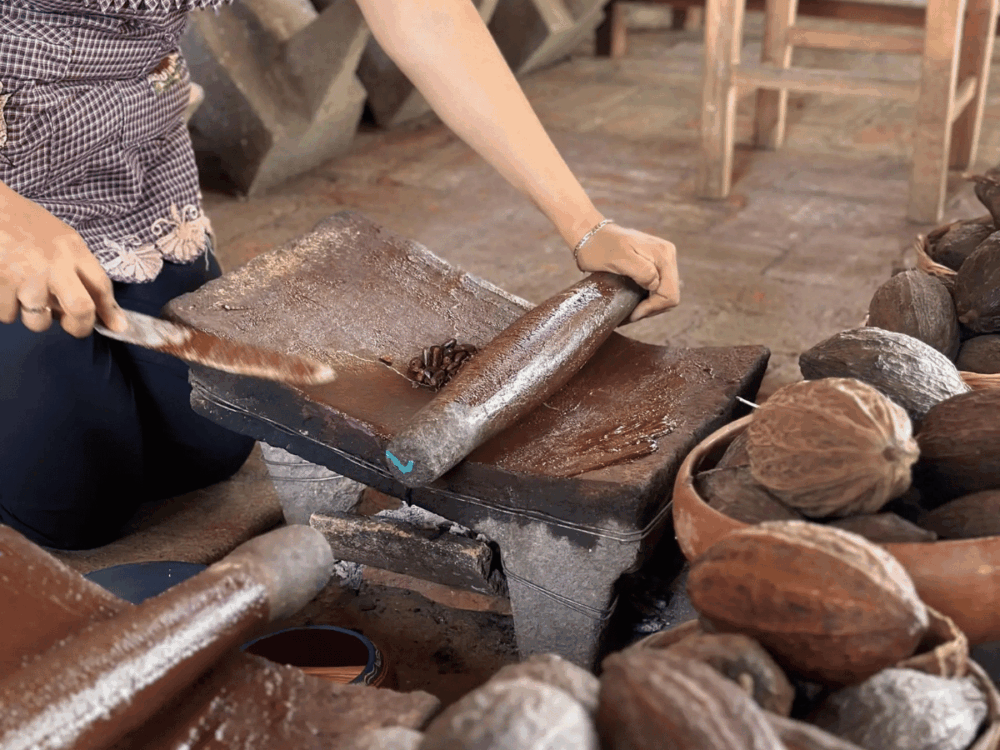
Explore the weaving traditions of Teotitlán del Valle, where colourful wool rugs showcase generations of skill. Some outings combine textiles with chocolate, candle-making or other local crafts.
🎨 Meet Oaxaca’s makers

Discover intricately painted alebrijes and distinctive pottery in Oaxaca’s craft communities. Watch artists at work, appreciate the details and find a souvenir with a story behind it.
🏞️ Discover Hierve el Agua

Mineral formations resembling frozen waterfalls make Hierve el Agua a memorable escape from the city. Choose a focused visit or a wider day trip taking in more of Oaxaca’s valleys.
Fun Fact: Hierve el Agua means “the water boils”, but its springs are around 22–25°C. Its waterfall-like formations are made from mineral deposits.
🧺 Explore Tlacolula’s Sunday market
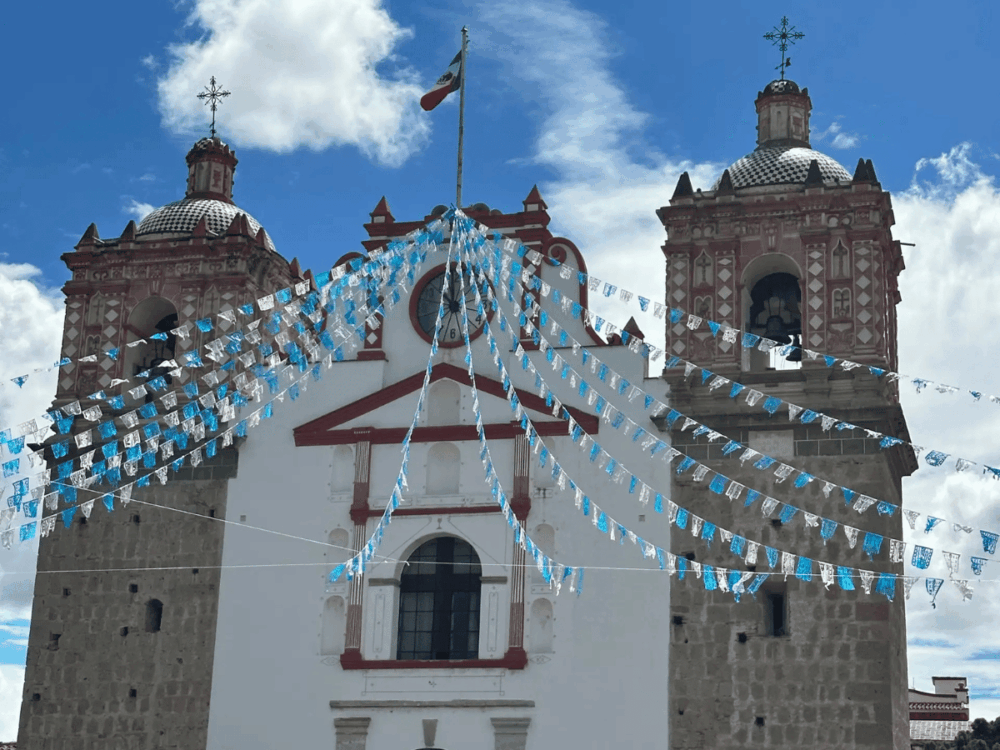
Browse food, flowers and handmade goods at Tlacolula’s Sunday market, where sellers gather from surrounding communities. Explore market visits on their own or combined with nearby villages and mezcal producers.
🥃 Discover the craft of mezcal
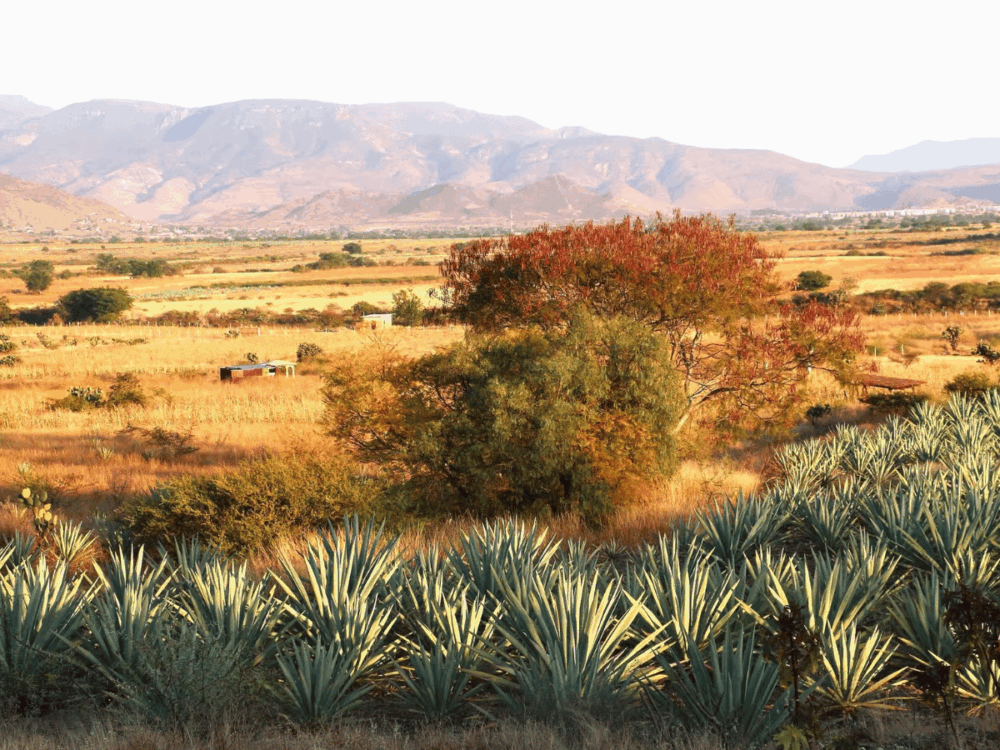
Go beyond the tasting glass with an introduction to Oaxaca’s celebrated spirit. Explore producer visits and guided tastings that reveal how agave becomes mezcal.