


Jump to: Mini Guide · Why Visit · When to Visit · Budget · Things to Do · Food & Drink · Where to Stay · Plan Your Trip · Before You Travel · FAQs
Copenhagen Travel Guide
Colourful waterfronts, royal palaces, neighbourhood bakeries and evenings beneath Tivoli’s lights: Copenhagen brings plenty to a city break. Its appeal also lies between the landmarks, in canal-side walks, independent shops and cafés that make stopping for a while feel like part of the plan.
Spend a morning exploring the old centre, cross the harbour to Christianshavn or head into Vesterbro and Nørrebro for a different atmosphere. Summer brings outdoor dining and harbour swimming, while the festive season offers illuminated gardens and warming drinks between market stalls.
This Copenhagen travel guide helps you choose when to go, where to stay and which experiences deserve space in your itinerary, with practical advice on budgeting, transport and planning your trip.
Air-Holiday Insight
Copenhagen’s harbour buses are part of its public transport network. They can turn a useful journey across the city into a chance to enjoy the waterfront; check the route and ticket coverage before boarding.
Copenhagen Mini Guide
Best for: Food, design, royal history, neighbourhood exploring, family city breaks and Christmas trips
Ideal stay: Three full days; longer for day trips and a slower pace
Best time to visit: May and September for exploring; summer for outdoor life; the festive season for Christmas atmosphere
Typical temperatures: Average daytime temperatures around 19–20°C in June–August and 2–4°C in December–February; nights are colder
Airport: Copenhagen Airport (CPH), also known as Kastrup
Getting around: Walking, Metro, trains, buses, cycling and harbour buses
Currency: Danish krone (DKK)
Language: Danish; English is widely spoken in visitor settings
Time zone: Central European Time, changing to Central European Summer Time; one hour ahead of the UK
Don’t miss: Nyhavn, Tivoli Gardens and time exploring beyond the main sightseeing streets
Car needed? Usually no for a city break
Why Visit Copenhagen?
Copenhagen suits travellers who enjoy mixing sightseeing with time spent simply being somewhere. There are palaces, museums and famous waterfront views, but a satisfying day might also include a bakery breakfast, browsing independent shops and sitting beside the harbour.
Its neighbourhoods give a short trip variety. Nyhavn delivers colourful quayside buildings, Christianshavn brings canals and waterside streets, Vesterbro offers restaurants and lively evenings, and Nørrebro rewards visitors interested in independent businesses and international food.
Couples can build a weekend around dining and design, families can combine attractions with parks and boat trips, and solo visitors have plenty of ways to explore independently or join a guided experience. Accommodation and restaurant spending need attention, however, and winter visitors should plan around shorter days and seasonal openings.
Did You Know? Tivoli Gardens opened in 1843. Hans Christian Andersen visited during its opening year and found inspiration there for his fairytale The Nightingale—a fitting connection for an amusement park in the middle of Copenhagen.
When Is the Best Time to Visit Copenhagen?
Copenhagen changes with the seasons, from spring gardens and summer harbour swims to autumn café stops and Christmas lights. Choose your dates around the experiences you want most, whether that means long days outdoors or a cosy festive escape.
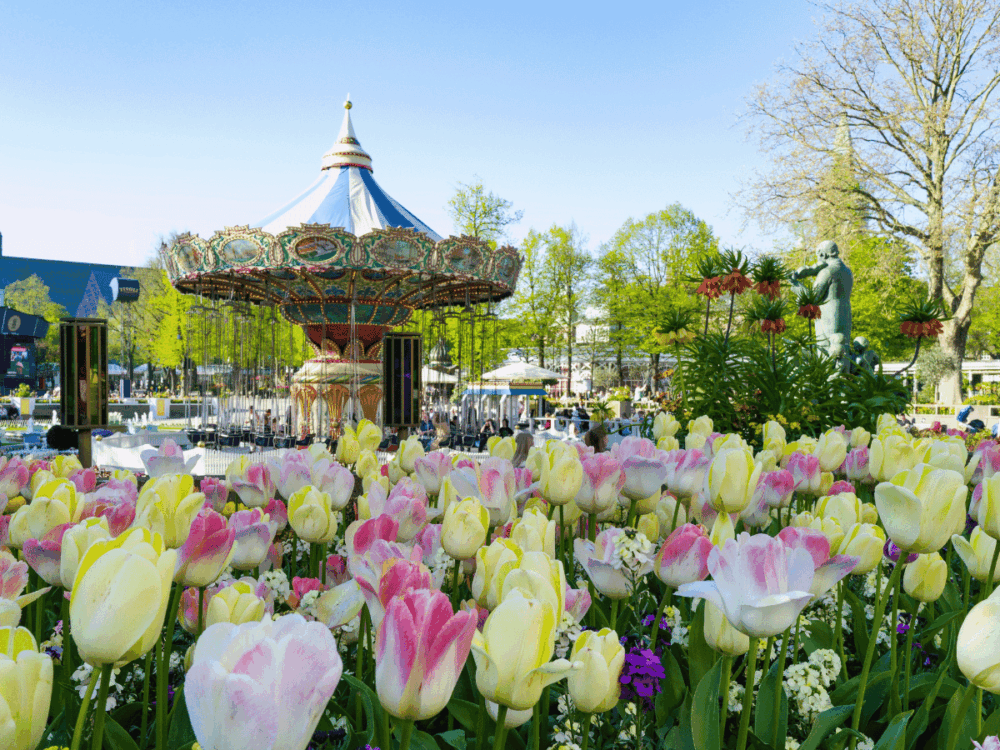
Spring: Gardens & Neighbourhood Walks
March–May
Flowering gardens and longer days make spring ideal for neighbourhood walks and café stops. Bring layers and a waterproof jacket for changeable weather.

Summer: Harbour Swims & Long Evenings
June–August
Enjoy harbour swimming, waterfront dining and long evenings, with average daytime temperatures around 19–20°C. Book accommodation early and pack a light jacket.

Autumn: Colourful Walks & Cosy Cafés
September–November
Combine neighbourhood walks with museums, galleries and cosy cafés as the days cool. Bring weatherproof layers and check Tivoli’s seasonal opening dates.

Winter: Christmas Lights & Festive Markets
December–February
December brings festive markets and Tivoli’s Christmas lights; January and February offer a quieter escape. Wrap up warmly and explore our Christmas Markets Guide.
Air-Holiday Insight
For a festive trip, check individual market dates and Tivoli’s Christmas opening period before booking. A January visit will feel very different from a December escape.
How Much Should You Budget for Copenhagen?
Accommodation, restaurant meals and drinks can take a substantial share of a Copenhagen holiday budget. A central hotel offers convenience, but compare the total cost with a well-connected property farther out, including transport and any extra time spent travelling.
Your itinerary matters too. Several paid attractions and organised experiences will cost more than a trip built around neighbourhood walks, parks and waterfronts. Decide which experiences matter most before allocating the rest of your spending money.
What to Allow Spending Money For
Boat trips, guided tours and attraction entry can add up quickly. Check prices before travelling and prebook the experiences you most want to enjoy, so you know how much spending money to allow.
Check what your accommodation rate includes. Breakfast, parking and wellness facilities may be charged separately, while apartment bookings may include cleaning charges or other conditions.
At Tivoli, garden admission and access to rides are separate products unless you select a combined ticket. Check carefully whether you are buying entrance, a Ride Pass or both.
Tipping & Service Charges
Tipping is optional in Copenhagen and is not generally expected. Service is normally included in restaurant, hotel and taxi bills. You can round up or leave a tip for particularly good service, but there is no need to add a fixed percentage to every purchase.
How to Make Your Budget Go Further
Mix restaurant meals with bakeries, casual lunches and supermarket supplies. Self-catering can be useful for families and longer stays, especially when breakfast and a few simple meals would otherwise mean paying restaurant prices for everyone.
Build free time into the itinerary: waterfront walks, public parks and neighbourhood exploring are part of Copenhagen’s appeal. Street food offers variety, but compare prices rather than assuming every stall is a budget option.
Set aside spending money for the experiences you most want to enjoy, everyday meals and transport, plus a little extra for unexpected costs.
Air-Holiday Insight
Your sightseeing plans and how you get around will determine whether Copenhagen Card offers good value. DISCOVER combines 80+ attractions with public transport, including airport journeys. HOP combines 40+ attractions with hop-on hop-off sightseeing buses, but excludes airport transport. Compare the journeys and attractions you’ll use with the cost of buying separately. Compare cards.
Things to Do & Experiences in Copenhagen
Plan your sightseeing in clusters so you spend more time exploring and less time crossing the city. Nyhavn and Amalienborg combine naturally, while Rosenborg Castle, the King’s Garden and the Round Tower work well together.
Around Central Station, Tivoli and nearby museums can anchor another day. Add Christiansborg for royal and political history, or follow the waterfront towards Kastellet and the Little Mermaid. Leave an afternoon for Christianshavn’s canals or the cafés and independent shops of Vesterbro and Nørrebro.
Did You Know? Copenhagen has a ski slope on top of a working waste-to-energy plant. CopenHill turns an industrial rooftop into a place for skiing, walking and city views—and you don’t have to ski to visit the roof.
Our Picks
Here are our picks of attractions and experiences to help you make the most of your time in Copenhagen.
Copenhagen Canal Cruises
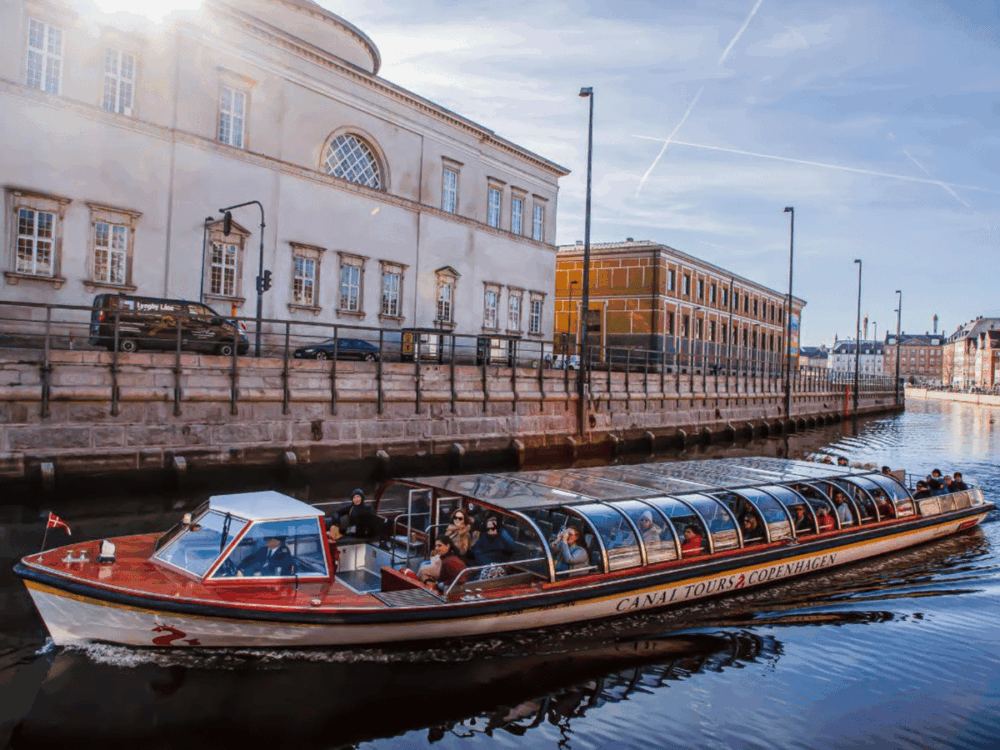
Cruise past colourful waterfronts, royal landmarks and striking modern harbour architecture.
Copenhagen Bike Tours

Explore city landmarks, waterfront paths and distinctive neighbourhoods on two wheels.
Copenhagen Walking Tours

Explore Copenhagen’s streets, famous sights and local stories with a guide.
Food & Drink Tours
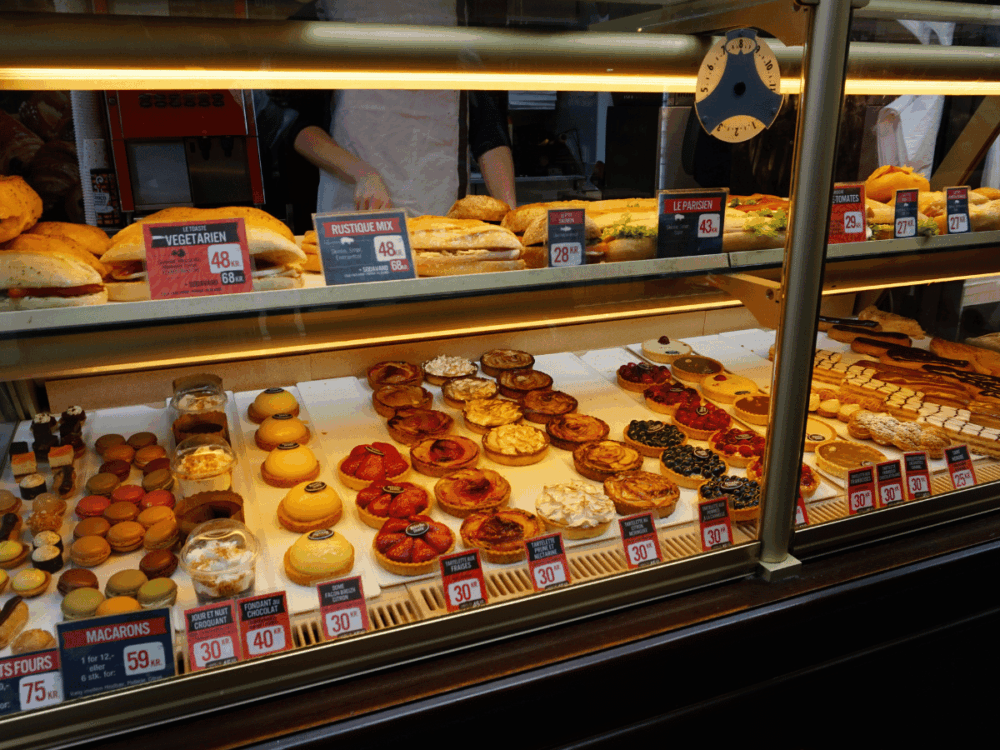
Taste Danish specialities and explore Copenhagen’s food culture with local guides.



Harbour Swimming & Beach Time
Fancy adding a swim to your city break? Islands Brygge is a well-known harbour-bathing spot, while Sandkaj combines swimming with Nordhavn’s modern waterfront surroundings. For more of a beach setting, consider Amager Beach Park.
Use designated bathing areas and check water-quality notices, flags and seasonal facilities before entering. Swimming is not permitted everywhere along the harbour.
More Things to Do in Copenhagen
Compare more tours, activities and experiences for your trip.
Food & Drink in Copenhagen
Copenhagen’s food scene gives you plenty of ways to shape a day, from a quick bakery stop to a leisurely Danish lunch. You do not need a fine-dining reservation to make food a memorable part of the trip.
Try smørrebrød, the open sandwiches usually built on rye bread with toppings such as herring, prawns, egg or roast beef. For something heartier, look for stegt flæsk, crispy pork traditionally served with potatoes and parsley sauce, or frikadeller, Danish meatballs.
A Danish hot dog makes an easy sightseeing stop, while bakeries provide pastries and bread for breakfast or an afternoon break. Coffee, Danish beer and seasonal drinks offer plenty of reasons to pause between neighbourhoods.
Where to Eat
Torvehallerne beside Nørreport brings food stalls and specialist shops together, making it useful when everyone wants something different. Browse before choosing: options range from open sandwiches and seafood to pastries and international dishes.
Reffen on Refshaleøen is another option for street food and an outdoor waterside setting. Check its current opening calendar before travelling out, particularly outside the warmer months. Popular restaurant reservations are worth arranging once your dates are fixed.
Where to Stay in Copenhagen
Copenhagen’s neighbourhoods offer different ways to enjoy the city, from historic streets and lively restaurant districts to modern waterfront settings. A central hotel can make a short break easier, while an apartment with more space may suit families, friends or a longer stay.
Explore the areas below for a feel for each location and a suggested place to stay.
Stay here for colourful waterfronts, historic streets and convenient sightseeing. The centre suits a first visit when you want to explore on foot and return easily between activities. Around Nyhavn, restaurants and passing visitors create a lively atmosphere, so check room location if quiet evenings matter.
Best for: First visits, short breaks, sightseeing and waterfront atmosphere.
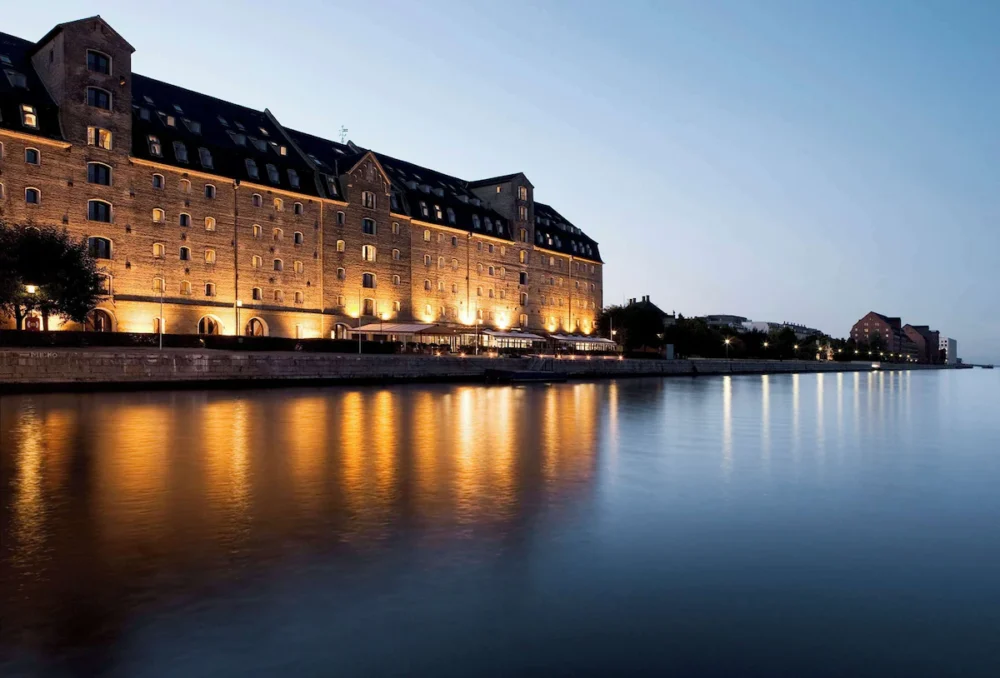
A waterfront hotel in a historic warehouse near Nyhavn and Amalienborg, suited to visitors wanting a central base with character.
Christianshavn combines canals, waterside streets and a residential atmosphere across the harbour from the historic centre. It suits visitors who enjoy exploring on foot while keeping Metro connections within reach. Choose your exact location carefully, as the distance to the station varies.
Best for: Canal-side walks, couples and a waterfront base close to central sights.

A contemporary harbourfront hotel on Strandgade, with a gym and a choice of rooms and suites, including options with water views.
Vesterbro suits a city break built around restaurants, cafés and evenings out. The Meatpacking District adds dining and nightlife options, while accommodation near Central Station can make arrival straightforward. Some streets are livelier than others, so check the immediate surroundings before booking.
Best for: Food-focused breaks, nightlife and convenient rail connections.

A family-owned hotel near Central Station and Tivoli, with colourful rooms and family options—a convenient base for sightseeing and Vesterbro’s restaurants.
Choose Nørrebro for independent shops, neighbourhood cafés and international food. It offers a different setting from the main sightseeing streets and suits visitors who enjoy exploring local businesses. Check nearby transport connections, as the neighbourhood covers more ground than one compact central area.
Best for: Café culture, independent shopping and neighbourhood exploring.

A self-service hotel on a quiet side street in Nørrebro, suited to independent travellers comfortable with code-based arrival and no staffed reception.
Nordhavn offers modern architecture, harbourfront walks and a different perspective on Copenhagen. It can suit visitors who prefer contemporary surroundings and are happy to use public transport for central sightseeing. Compare the walk to the Metro when choosing between properties.
Best for: Modern waterfront stays, design lovers and apartment-based breaks.

A contemporary Nordhavn hotel close to Orientkaj Metro, offering a restaurant and convenient connections for exploring the city.
Islands Brygge combines waterfront walks with residential streets and access to green space. It suits visitors who want room to unwind between sightseeing trips, particularly in an apartment. Check the exact address, as properties farther south involve longer journeys to the historic centre.
Best for: Families, longer stays, waterfront walks and extra space.

A distinctive Islands Brygge hotel with a courtyard, heated outdoor pool, sauna and steam room, combining city sightseeing with time to unwind.

Self-Catering in Copenhagen
Prefer your own space? Browse these Copenhagen apartments for kitchens, room to relax and options for couples, families and groups.
-

Nyhavn
Gather friends or family beside Copenhagen’s famous waterfront, with a kitchen and generous dining space. Sleeps 10.
View Property : Nyhavn -

Nørrebro
Explore neighbourhood cafés and Superkilen from an apartment with a private kitchen and nearby transport. Sleeps 3.
View Property : Nørrebro -

City Centre
A central apartment near the Round Tower and Strøget, with two double bedrooms, kitchen facilities and a washing machine.
View Property : City Centre -

Islands Brygge
An airy apartment with a kitchen, corner balcony and lift access for a relaxed couples’ stay. Sleeps 2.
View Property : Islands Brygge -

Christianshavn
Three bedrooms, a kitchen and washing machine provide a practical base for family sightseeing.
View Property : Christianshavn -

Vesterbro
A homely apartment near Central Station, with a private kitchen and restaurants nearby. Sleeps 3.
View Property : Vesterbro

Explore Places to Stay on the Map
Compare places to stay alongside Copenhagen’s key sights, food spots and transport connections, so you can choose a location that fits your plans.
Prefer a Flight-and-Hotel Package?
Booking flights and accommodation together is another way to organise your Copenhagen break. Compare the complete package, including baggage, breakfast, airport transfers and cancellation conditions, rather than the headline price alone.
Plan Your Trip to Copenhagen
Getting there
For a short break from the UK, flying is usually the most straightforward option. Rail is worth considering when you want the journey to form part of a longer European holiday, while a cruise offers a different way to include Copenhagen in a wider itinerary.
Flights to Copenhagen
Copenhagen Airport (CPH) is the practical choice for a city break, with direct public transport into the centre. Compare direct UK departures for your dates before choosing a connecting itinerary, and include baggage and your journey to the departure airport in the total cost.
Trains to Copenhagen
Copenhagen Central Station, shown as København H, is a useful arrival point for the city centre. International journeys can connect Copenhagen with Germany and Sweden, making it possible to include the city in a wider rail itinerary.
Copenhagen can also be reached by rail through mainland Europe. From the UK, the journey involves Eurostar followed by onward trains through Germany and Denmark, making it better suited to a multi-stop holiday than a quick weekend escape.
Cruises Visiting Copenhagen
Copenhagen features on some Northern European and Baltic cruise itineraries and can also be an embarkation port. Confirm your exact terminal before planning transport: Oceankaj, Langelinie and Nordre Toldbod have different locations and access arrangements.
For a port day, choose a manageable sightseeing area and allow enough time to return before the ship’s all-aboard deadline. If joining a cruise here, consider arriving ahead of embarkation day to give yourself more flexibility if travel is disrupted.
Getting from the Airport
A prebooked private transfer is worth comparing if you want a direct journey to your accommodation, particularly with several bags, children or a group sharing the cost. Check the meeting point, luggage capacity, child-seat arrangements and policy for delayed flights before booking.
Public transport is a practical alternative. The Metro serves Kongens Nytorv and other stops, while regional trains are useful for Central Station. The main central journeys take roughly 15 minutes.
Taxis are also available at the airport.
Air-Holiday Insight
A quick airport train does not necessarily mean the quickest door-to-door arrival. Compare the final walk, any changes and the amount of luggage you will be carrying before deciding.
Getting Around Copenhagen
Walking works well for many central sights, but Copenhagen’s neighbourhoods spread beyond a single compact sightseeing loop. Use the Metro, trains and buses when a journey would otherwise take time away from the places you want to explore.
Harbour buses can be useful for waterfront journeys. Check the zones and validity of your ticket, buy or activate the required ticket before travel and use the current journey planner for your route.
Cycling is another option, but busy cycle lanes require attention. Learn local signalling and junction rules before hiring a bike, stay out of cycle lanes when walking and consider a guided ride if you would prefer an introduction.
For sightseeing with less walking, compare hop-on hop-off bus and boat options.
A Copenhagen Card may combine useful transport with your sightseeing plans. See the comparison in our Budget section and check the current inclusions before choosing.
Cobbled streets, bridges, distances and individual attraction layouts can affect visitors with limited mobility. Check step-free routes and the facilities of each venue rather than assuming every part of a flat city will be easy to navigate.
Do You Need a Car in Copenhagen?
Usually no. For a typical city break, public transport and walking are more useful than managing parking and driving between central sights.
A hire car may help for a wider trip through Denmark or stops that are awkward to reach by public transport. Compare the full cost, including parking, any cross-border permission and bridge or other route charges. Winter visitors should check weather conditions and the rental company’s equipment arrangements.
If hiring, compare optional excess cover with the rental agreement, including exclusions and the deposit required at collection.

Luggage Storage in Copenhagen
Make the most of your first or last day without wheeling your suitcase around Copenhagen. Whether you arrive before check-in or have an evening flight, luggage storage leaves you free to enjoy another canal-side stroll, browse the shops or linger over lunch.
With plenty of locations across central Copenhagen and surrounding neighbourhoods, you can choose a convenient stop near your accommodation, sightseeing plans or onward transport. Compare locations and opening hours, book your space and enjoy the city with your hands free.
Before You Travel
A few checks before departure can save time on arrival, particularly if your trip includes a cruise, a visit to Sweden or separately booked transport connections.
Entry Requirements & Travel Advice
For travellers using a full British citizen passport, check the latest Denmark entry requirements and official travel advice before booking and again before departure.
Denmark follows Schengen passport-validity and short-stay rules. Your passport generally needs to have been issued less than ten years before arrival and remain valid for at least three months after your intended departure from the Schengen area. Visa-free short visits normally count towards the shared limit of 90 days in any 180-day period across the Schengen area.
British visitors travelling for a short stay may need to register a photograph and fingerprints under the EU Entry/Exit System. Allow extra time for passport control at Copenhagen Airport and check the latest official guidance before travelling.
Check current border procedures and any travel-authorisation requirements for your travel date through the official guidance. Other nationalities and residence circumstances may have different requirements. If crossing into Sweden, also check the applicable Swedish guidance and carry the required travel documents.
Travel Insurance
Compare cover for the full trip, including your destinations, duration and planned activities. Declare medical conditions as required and check cancellation, disruption, baggage and emergency medical cover.
If cruising, kayaking or joining another activity, confirm it is covered rather than assuming it is included in a standard city-break policy. A valid GHIC or EHIC may be useful for eligible healthcare, but it does not replace travel insurance.
Airport Extras Before You Fly
For an early UK departure, compare airport parking and an overnight hotel with the cost and practicality of travelling on the day. A lounge or security fast track may be useful, but check opening times, terminal access and what the booking includes.
Security fast track does not automatically provide faster passport control or remove the need to allow sufficient time before your flight.
Money & Payments
Denmark uses the Danish krone, not the euro. Cards are widely accepted in Copenhagen, so most visitors will not need much cash. Check your bank’s overseas payment and withdrawal charges before travelling.
When offered a choice of currencies at a card terminal or ATM, compare the conversion terms; paying in DKK generally lets your own card provider handle the exchange. Carry a backup payment method and keep it separately where practical.
Local Customs & Practical Considerations
Respect cycle lanes and look carefully before crossing them. Keep waterfront routes and residential streets considerate for the people who live and travel there every day.
Tap water is safe to drink, so a refillable bottle is useful. Bring layers and weatherproof footwear, and check individual opening calendars for attractions, markets and restaurants before planning a day around them.
Is Copenhagen Right for You?
Copenhagen is a strong option if you want food, history and distinctive neighbourhoods without spending every day on organised excursions. It suits a break where a palace visit, canal journey and bakery stop can share the itinerary with an unplanned afternoon.
The main considerations are cost, season and pace. Restaurant spending can add up, winter daylight is limited and waterfront weather can change how much time you want outside. A well-chosen base and a mix of paid experiences and independent exploring help keep the trip manageable.
For a first visit, allow around three full days. Add more if you want day trips, slower mornings or enough flexibility to change plans with the weather.